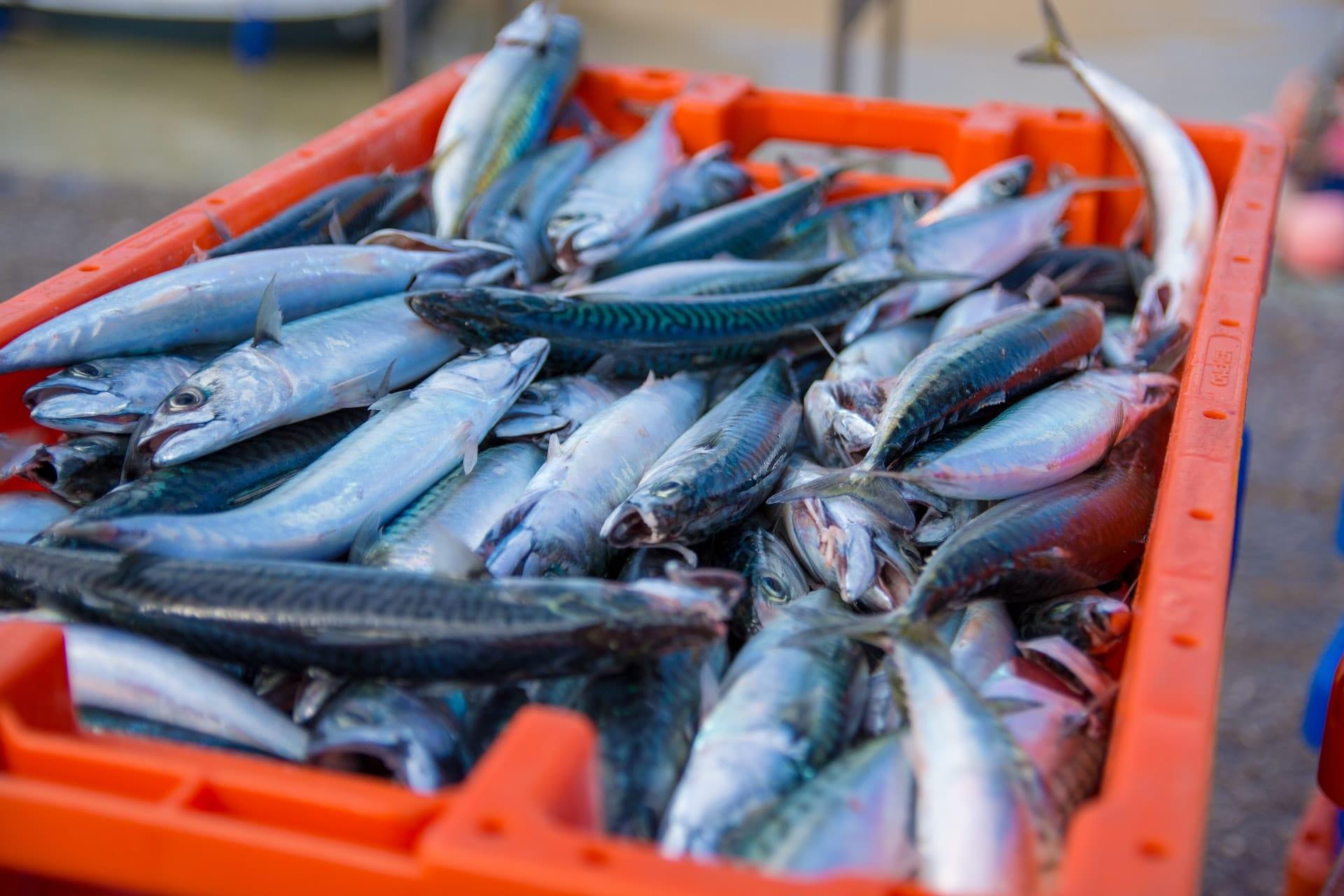
Fish is a popular food item for many across the world. Statistics show 60% of Indians include it in their diet. With demand rising steadily, fish farming in India has emerged as a profitable business for farmers.
The earnings from a small fish farming unit range from INR 3,000 to 9,000, with overall returns of INR 2-4 lakhs per acre at INR 100-140 per kg. Farm size can require an initial investment of INR 25,000 to 50,000. Prices vary by state - Andhra Pradesh, West Bengal, and Gujarat are the top fish producers in India.
What is Pisciculture?
Pisciculture is the scientific term used for fish farming. It generally involves processes such as rearing and breeding the fish in an artificial environment for commercial purposes. There are different methods of fish farming, discussed below.
Types of fish farming
The main types of fish farming include aquaculture, pond fish farming, and biofloc fish farming.
1. Aquaculture
This means growing aquatic organisms in controlled aquatic environments on a large scale. Fish farming is the most common aquaculture practice. With proper food, quality water, and controlled temperature, it is one of the easiest methods to gain profit.
2. Biofloc Fish Farming (BFT)
In this type of water treatment plant using microorganisms that can break down high nitrogen content and balance nutrient supply. It is integrated with fish farming to provide continuous nutrition for growing fish. Only certain types of fish can be grown in these controlled systems, such as a pond or tank, but they receive high nutrition and are safe for the environment.
3. Pond fish farming
It is an artificial aquatic system for growing fish. Shellfish and fin fish are the most common types grown in fish ponds.
How to start fish farming?
Whether you are starting fish farming in Kerala or Assam, certain steps must be followed. Before starting a fish farming business, research the process, preparation methods, and rules and regulations involved. A strong business plan is essential for profitability.
Step 1: Preparing the Pond
A pond can be temporary or permanent. Temporary ponds suit seasonal farming for fast-growing species. Set up water inlets and outlets, and optimise the water pH level as per the fish species as it will be different for each fish species.
Step 2: Choose a Suitable Breed of Fish
Choose suitable fish breeds based on growing environment, market demand, and maintenance needs. You may practise monoculture (single fish species) or polyculture (multiple fish species together).
Step 3: Maintenance of the Growing Environment of Fish Culture.
This involves taking care of the fish, maintaining water pH levels, feeding the fish, changing water regularly, and removing unhealthy fish daily. Preventing and treating diseases is equally important.
Step 4: Find a Market for Yield.
You may choose the local market or choose to export the fish. For beginners, the local market is easier and helps build a foundation but the profits will be lesser than the latter option. Once you have established the fish farm, then can go to the next level.
Is Fish Farming Profitable?
Yes, fish farming is a lucrative business in India. Fish farming in Bihar is a good option, as it has an Aquatic Animal Health Lab to support farmers. Fish farming in UP is steadily growing with improving profits. Integrated fish farming in Tamil Nadu is gaining momentum. Fish farming in Punjab recorded the highest freshwater yield last year.
Conclusion
Setting up a commercial fish farm can be challenging initially, but once established, it is easier to maintain and generate consistent returns. Profits may take time, but the market for fish farming in India continues to grow steadily.
Note: The information contained herein is for informational purposes only. Nothing herein shall be construed to be financial or legal advice. Pesticides are a considerable risk of loss in crops, and viewers are advised to do their own research before making any decisions.
Frequently Asked Questions
What is the difference between aquaculture and pisciculture?
Pisciculture specifically refers to fish farming, rearing and breeding fish commercially. Aquaculture farming is broader and covers all aquatic organisms, including fish, shellfish, and plants, grown in controlled environments.
What is biofloc fish farming, and how is it suitable?
Biofloc fish farming (BFT) uses beneficial microorganisms to balance nutrients in fish ponds, reducing the need for external feed. It suits farmers looking for a sustainable, cost-effective aquaculture system for selected fish species.
How do I start fish farming as a beginner in India?
Start by preparing a fish pond, choosing the right breed, maintaining water quality, and selling locally first. Research local rules and regulations, make a business plan, and scale gradually once established.