Introduction to Polyhouse Turmeric Farming
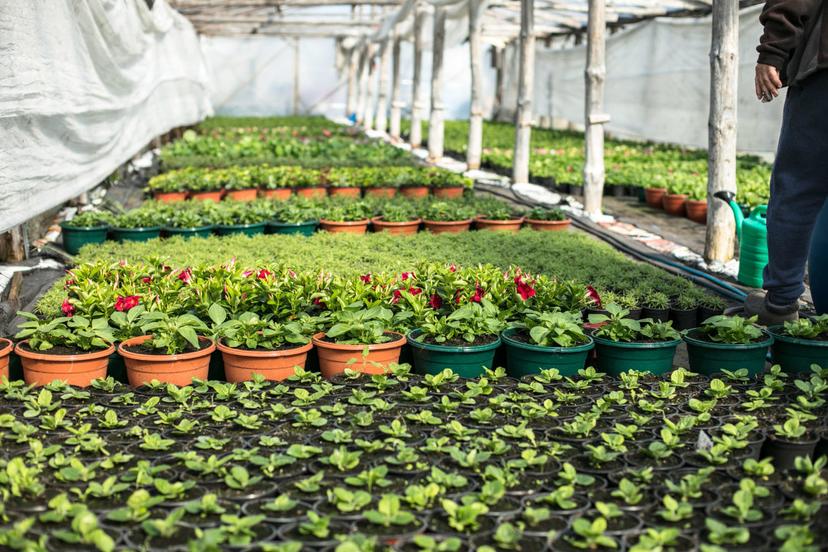
Are you struggling with low turmeric yield in open-field farming? Switching to turmeric cultivation in a polyhouse can significantly improve productivity, quality, and profitability.
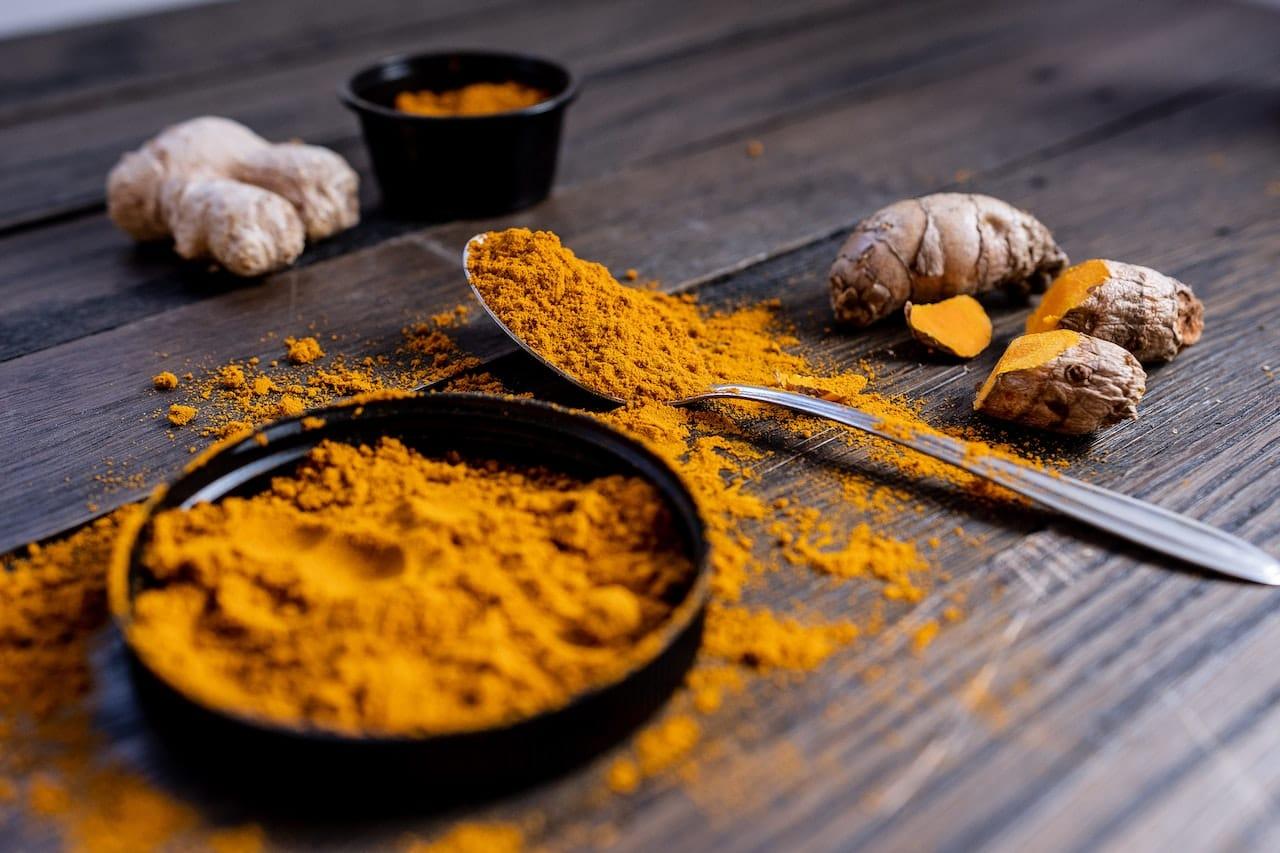
Turmeric (Haldi) is one of the most important spice crops in India, widely used for cooking, medicinal purposes, and cosmetics. The active compound curcumin gives turmeric its bright yellow color and high market value.
This guide covers everything you need to know about polyhouse turmeric farming, including soil, planting, irrigation, and yield optimization.
Soil and Climate Requirements for Turmeric Farming in Polyhouse
Turmeric grows best in well-drained soils such as loamy soil, black soil, red soil, and clay loam. Proper drainage is essential because waterlogging and alkaline soil conditions can damage rhizome development and reduce yield.
The crop requires a warm and humid climate, with temperatures ranging between 20°C and 30°C. In traditional farming, turmeric depends on rainfall of around 1500 mm, but in a polyhouse, environmental conditions such as temperature and humidity can be controlled. This ensures uniform growth and better rhizome formation throughout the crop cycle.
Methods of Turmeric Farming in Polyhouse
There are two specific methods of Turmeric farming in the polyhouse such as:
1. Furrows and Ridges
The furrow method in polyhouse is used in heavy soil on leveled land under irrigation conditions. The field will be partitioned into furrows and ridges at a distance of 75 cm each with a length of around 35 meters.
2. Flatbeds
Flatbeds are prepared 1 m in width and length depending on the slopes designed in the polyhouse. The beds are made under the condition of light soil.
In polyhouse organic turmeric can be sown in pots and containers. They are cheerful and also encourage other crop growth like onion and ginger.
Planting process of turmeric
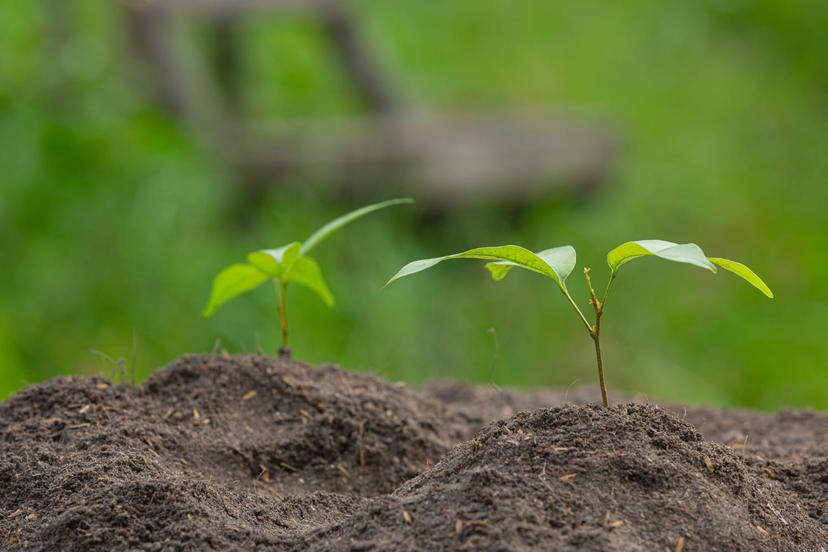
While planting in a polyhouse, prepare the spacing of 20-25 cm between plants and prepare a mixture of soil and 25g powdered neem cake; mix it well in each row. Pick healthy rhizomes seeds, put them in low pits, and wrap them with properly mixed compost.
Incorporate 10g compost and Trichoderma, which acts as a biofertilizer and protects the growth of the crop throughout from pests and disease.
Irrigation Requirement in Turmeric Crops
Irrigation before and after sowing is essential for developing Rhizomes and overall crop growth. The turmeric crop period is 7-9 months which varies in different varieties.
Turmeric requires a weekly irrigation means at an interval of around 7-10 days. Over irrigation in turmeric plantation affects the quality of the rhizome and chances of getting fungal diseases will increase. Overall, 20-25 days of irrigation is prescribed for one crop session.
Harvesting of Turmeric Rhizomes
In about 7-9 months after plantation, rhizomes are ready for harvest and easily handpicked in the polyhouse. The fingers are separated from mother rhizomes and can be used in the next session of turmeric farming.
The turmeric yield per acre is around 8-10 tonnes, and it also fluctuates sometimes.
Frequently Asked Questions
Q1. What are the needs for organic turmeric farming in a polyhouse?
In polyhouse, organic farming is practiced with the same components such as; avoiding using chemical fertilizers and composting with regular soil rotation to keep soil and environment healthy. It requires organic compost, fertilizers made from plant and animal waste, and uniform irrigation.
Q2. What is the seed rate of turmeric cultivation in a polyhouse?
The seed rate of turmeric depends on the quality, color, planting material, and spacing. For example, Rhizomes, mother rhizomes cost 2000-2500 kg/ha, Finger rhizomes cost 1500-2000 kg/ha, and intercrop costs 400-500 kg/ha.
What are the essentials while preparing a polyhouse for turmeric farming?
There are five factors to be considered in site selection for the construction of polyhouse, accessibility to polyhouse, pollution, water logging, and facility of the semi-automated greenhouse.
Note: The information contained herein is for informational purposes only. Nothing herein shall be construed to be financial or legal advice. Pesticides are a considerable risk of loss in crops and viewers are advised to do their own research before making any decisions.