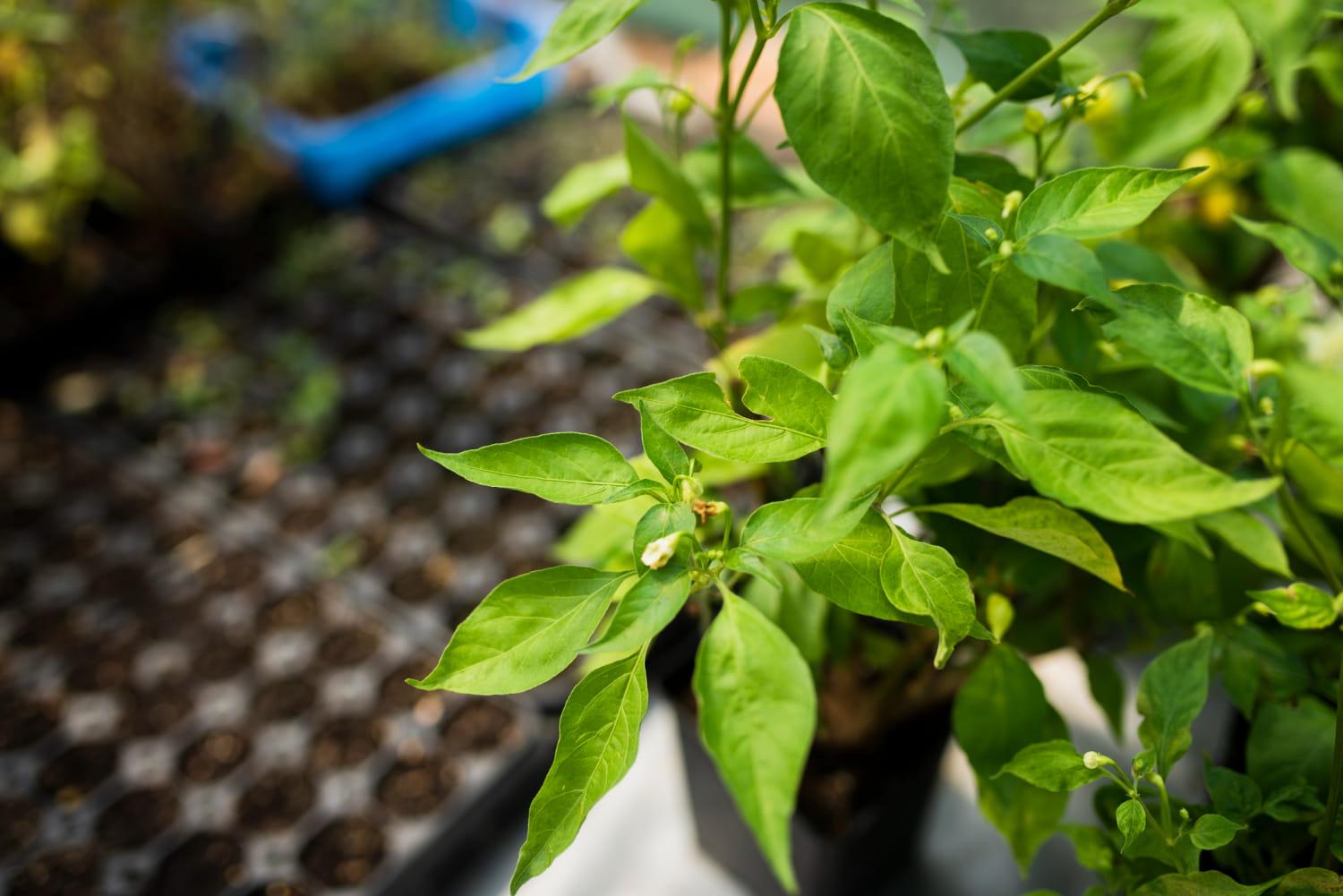
Viruses are obligate parasites that need a living host for their growth and multiplication. Viruses enter plant cells through wounds usually made mechanically or by vectors. Viral diseases are a significant cause of crop loss in India, affecting crops such as rice, wheat, maize, sugarcane, tomato and potato, among others. Viral infections cause a yield loss of about 70-80% and in severe cases, up to 90-100% depending upon factors like severity of disease, source of infection, duration of infection and environmental conditions.
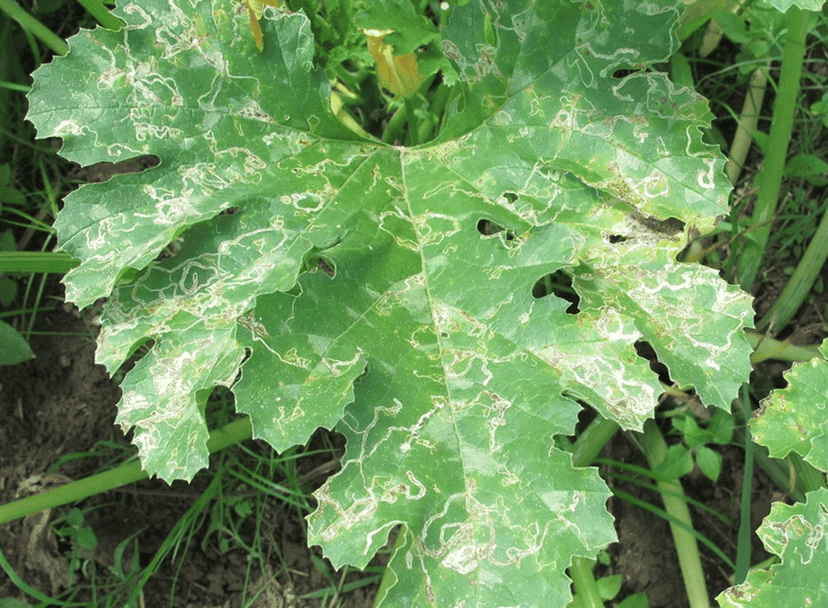
The symptoms of viral diseases in plants vary depending on the virus and the host plant. The most common symptoms include stunted growth, yellowing of leaves, mottling or streaking of leaves, necrosis, distorted leaves or flowers, wilting and reduced yield. Therefore, proper plant disease management is essential to protect crop health and yield.
Transmission of Viral Diseases in Plant:
Plant viruses are transmitted through various sources from an infected plant to a healthy plant.
1. Vegetative Propagation
When vegetative parts like tubers, bulbs, cuttings or rhizomes of the infected plants are used as mother plants for propagation, the new plant raised will also be infected by the viral disease.
2. Seeds
Seeds can be a source of viral infection in plants. Seeds can be affected by viruses through contaminated soil or water. Virus-infected seeds can transmit the virus to plants, resulting in a new generation of infected plants that can further spread the disease through insect vectors, contaminated soil, water, etc.
3. Mechanical transmission
Mechanical transmission occurs when the virus is physically transmitted from one plant to another by rubbing of sap, through contact with contaminated tools and equipment or through human handling during intercultural practices.
4. Pollen transmission
When a pollinator or the wind comes across an infected plant and collects pollen, the virus can be transferred from one plant to another.
5. Insect transmission
Plant viruses can also be spread through insect transmission, also known as vector transmission. Insects such as aphids, whiteflies, leaf hoppers and thrips are common vectors for many plant viruses. Other than this, nematodes and mites also act as vectors for viral infection.
Major Viral Diseases in Plants:
1. Tobacco Mosaic Virus:
Host range - Tobacco, Potato, Brinjal, Pepper, Cucumber
Transmitted by - Sap, contaminated farm equipments, soil debris, hands of farm labours
Symptoms - Mottling pattern of light and dark green patches on the leaf lamina, stunted growth, development of blisters/irregular crumbled swellings on leaves, small and misshapen infected leaves.
2. Cauliflower Mosaic Virus (CaMV)
Host range - Tomato, Melons, Squash, Beet, Spinach, Broccoli, Cabbage
Vector - Aphids
Symptoms - Mosaic patterns on affected leaves, young leaves become twisted leading to stunted growth.
3. Sugarcane Mosaic Virus
Host range - Sugarcane
Vector - Aphids
Transmitted by - Infected canes used as seed/sett
Symptoms - Yellowish/Chlorotic stripes with alternate normal green portion of the leaf, stunted growth.
4. Maize Mosaic Virus
Host range - Maize
Vector - Leaf hopper
Symptoms - Chlorotic stripes and spots on leaf, leaf sheath, stalks & husks, moderate to severe rosette formation on new growth.
5. Cucumber Mosaic virus (CMV)
Host range - Cucumbers, Tomato, Pepper, Squash, Melons, Beans, Peas, Spinach, Beetroot, Lettuce, Radish
Vector - Aphids
Symptoms - Mosaic patterns, stunted growth, distortion of leaves, yellowing of veins, necrotic spots or streaks on infected leaves.
6. Groundnut Bud Necrosis
Host range - Groundnut, Tomato, Green gram
Vector - Thrips
Symptoms - Mottling or chlorotic spots on leaves, necrosis of terminal bud, distortion of lamina, reduction in leaflet size, reduced flowering, production of abnormally small and wrinkled seeds.
7. Leaf Curl Virus
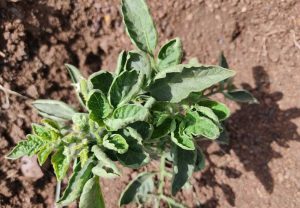
Host range - Tobacco, Cotton, Papaya, Guava, Chilli, Tomato
Vector - Whitefly
Symptoms - Stunted growth due to reduced nodes and internodes size, curling of leaf margins upward and downward, thickening of veins, crinkling and distortion of leaves.
8. Vein Clearing / Yellow vein Mosaic
Host range - Bhendi
Vector - Whitefly
Symptoms - Yellowing of veins in the leaf blade, reduced size of younger leaves and stunted growth, flowering and fruiting are restricted, if formed are small and hard.
9. Rice Tungro Virus
Host range - Paddy
Vector - Leaf hopper
Symptoms - Stunted growth, yellow to orange discoloration of leaves, interveinal chlorosis, reduced tillering with poor root system.
10. Tomato Spotted Wilt Virus
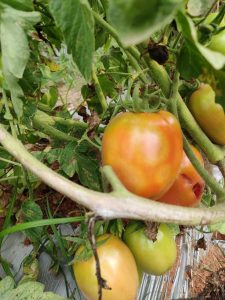
Host range - Tomato
Vector - Thrips
Symptoms - Appearance of streaks on leaves, stems and fruits. Leaves have small, dark, circular spots and may have bronzed appearance. Numerous concentric circular markings on fruits. Ripe fruits show alternate red and yellow markings.
11. Papaya Ringspot Mosaic Virus
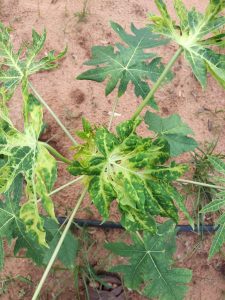
Host range - Papaya, Guava
Vector - Aphids
Symptoms - Vein clearing, leaf margin roll downwards and inwards, mottling patterns, dark green blisters, fruits having circular concentric rings on them, stunted growth.
12. Sterility Mosaic
Host range - Red gram
Vector - Eriophyid mite
Symptoms - Bushy and pale green appearance of affected plants, excessive vegetative growth, mosaic pattern on leaves, reduction in leaf size, stunted growth, complete or partial termination of flowering leading to sterility.
13. Bunchy Top Virus
Host range - Banana
Vector - Aphids
Transmitted by - Infected suckers (Primary source of infection)
Symptoms - Stunted plant growth, reduction in leaf size, leaf marginal chlorosis and curling, leaves crowded at the top giving “bunchy top” appearance and smaller branch size.
14. Potato Leafroll Virus
Host range - Potato, Tomato, Capsicum
Vector - Aphids
Symptoms - Stunted growth, chlorotic spots, mottling patterns, leaves roll upwards, upright orientation of leaves.
15. Citrus Tristeza Virus
Host range - Citrus
Vector - Aphids
Symptoms - Development of deficiency symptoms on leaves, dieback of twigs, decay of roots, and reduced fruit set.
16. Grassy Stunt Virus
Host range - Paddy
Vector - Brown Plant Hopper
Symptoms - Stunted plant growth with excessive tillering, pale green leaves with rusty spots, grassy and rosette appearance of plants.
17. Ragged Stunt Virus
Host range - Paddy
Vector - Brown Plant Hopper
Symptoms - Dark green leaves with spiky or serrated edges, leaf edges are twisted into spirals, giving a ragged appearance, stunted plant growth, delayed flowering, and incomplete panicle emergence.
18. Mungbean Yellow Mosaic Virus
Host range - Black gram, Green gram, Moth bean, Soybean, Cow pea
Vector - Whitefly
Symptoms - Stunted growth, yellowing, presence of mosaic patterns, delayed maturity, reduced flower and pod formation; if produced, pods would be small and distorted.
Preventive Measures to Control Plant Viral Diseases:
- Use disease-resistant plant varieties
- Use certified virus-free seeds or planting materials
- Adopt crop rotation of host crops with non-host crops to break the cycle of viral infections in the soil and reduce the risk of virus buildup
- Cultivate trap crops to avoid disease-causing insect vectors ( marigold in bhendi and cowpea in cucurbits)
- Practice proper sanitation practices by removing and destroying infected plants, debris and disinfect equipments to prevent the spread of viral diseases
- Isolate the plants that are known to be infected
- Control the disease-causing insect vectors
Management of White fly, Aphids, Thrips, Leafhoppers:
|
Product name |
Technical name |
Dosage |
Crops |
|---|---|---|---|
|
Mechanical Management |
|||
|
Chromatic trap |
10 sheets/acre |
All crops |
|
|
Biological Management |
|||
|
Azadiractin 10000 PPM |
2.5 ml/lit water |
Cotton, Chilli, Soyabean, Fruit Crops, Bulb Crops, Root Crops, Leafy Vegetables, Cereals, Field Crops |
|
|
Verticillium lecanii |
2 ml/lit water |
Papaya, Guava, Chilli, Cotton, Cereals, Pulses, Sugarcane, Fruits, Vegetables |
|
|
Plant extracts |
2 ml/lit water |
Vegetables, Fruits, Pulses, Cereals |
|
|
Plant extracts |
5 ml/ lit water |
Vegetables, Fruits & Pulses |
|
|
Chemical Management |
|||
|
Cyantraniliprole 10.26% OD |
2.0 ml/lit water |
Chilli, Melons, Tomato, Cotton |
|
|
Thiamethoxam 25 % WG |
0.5 gm/lit water |
Vegetables, Rice, Cotton |
|
|
Acetamiprid 20% SP |
0.5 gm/lit water |
Cotton, Rice, Chilli, Okra |
|
|
Imidacloprid 17.8% SL |
0.75 ml/lit water |
Cotton, Rice, Chilli, Sugarcane, Tomato, Okra, Groundnut |
|
|
Thiamethoxam 12.6% + Lambda-cyhalothrin 9.5% ZC |
0.5 ml/lit water |
Rice, Potato, Brinjal, Maize |
|
|
Profenofos 40% + Cypermethrin 4% EC |
2 ml/lit water |
Tomato, Cucurbits and Cotton |
|
|
Fipronil 40% + Imidacloprid 40% WG |
0.2 gm/lit water |
Cotton, Paddy, Vegetables, Sugarcane, Groundnut, Citrus |
|
|
Diafenthiuron 50% WP |
1 gm/lit water |
Cabbage, Kale, Broccoli, Cauliflower, French beans, Black beans |
|
|
Acephate 75 % SP |
2.5 gm/lit water |
Cotton, Paddy, Vegetables |
|
Management of Mites:
|
Product name |
Technical name |
Dosage |
|---|---|---|
|
Biological Management |
||
|
Paecilomycis fumosoroseus |
2 ml per lit water |
|
|
Phyto-extracts - 30%, Enzyme extracts - 5%, Chitin Dissolvers |
2 ml/lit water |
|
|
Chemical Management |
||
|
Chlorfenapyr 10% SC |
1.5 ml/lit water |
|
|
Spiromesifen 22.9% SC |
0.3 ml/lit water |
|
|
Hexythiazox 5.45% EC |
1 ml/lit water |
|
Conclusion:
Plant viral diseases significantly affect crop production in India. These viruses can spread through insects or mechanical means, leading to significant yield loss. Effective management strategies can help prevent the spread of plant viruses and reduce their impact on crops. Using virus-free planting materials, practising good sanitation, controlling vectors with insecticides and implementing crop rotation can help prevent the spread of viruses.
Frequently Asked Questions
What are the common plant virus symptoms?
Stunted growth, yellowing, mosaic patterns, leaf distortion, and reduced yield.
Which crops are most affected by viral diseases in India?
Crops like tomato, chilli, paddy, banana, and cucurbits are commonly affected.
What are the best methods for plant disease management of viruses?
Use resistant varieties, virus-free seeds, control insects, and maintain field hygiene.