spicesDeskHeroBanners

Latest Articles

Image

15 March 2024

|

Crops

Ginger: Planting & Package of Practices

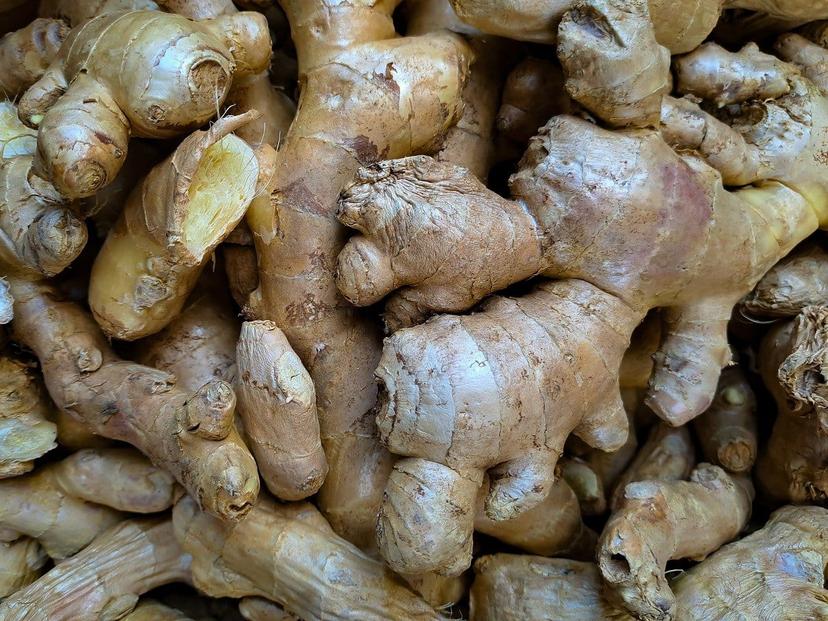
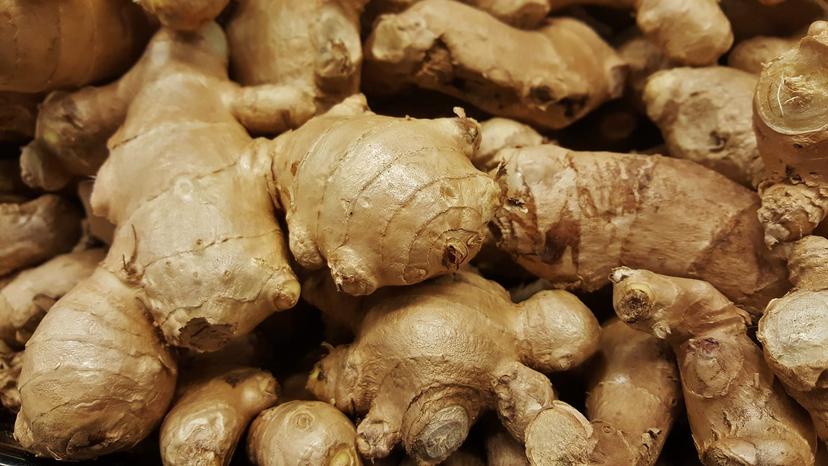
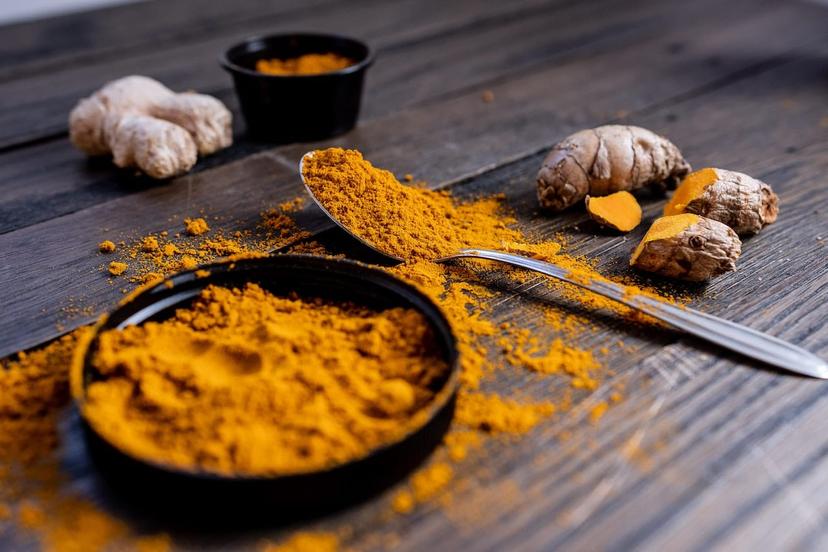
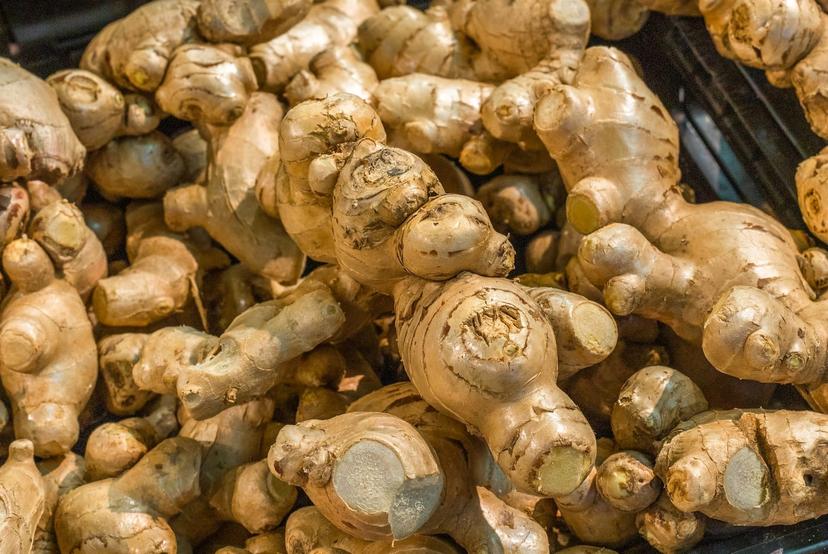
Ginger, popularly known as Adrak, is one of the most profitable spice crops grown in India. From chai to medicines, its demand never goes down, which makes it a great choice for farmers looking for steady income. But here’s the reality: many farmers don’t get good yield because they miss key practices like proper ginger seed selection, drainage, or pest control. In this guide, we’ll walk you through simple and practical ginger cultivation practices that can help you improve both yield and quality. Why Ginger Farming is Profitable Ginger is not just a spice. It’s a high-value crop used in: Food and beverages Ayurvedic medicines Processing industries (dry ginger, oil, candy) With proper management, farmers can get 8-10 tons per acre, making it a strong income crop. Best Climate and Soil for Ginger Ginger grows best in a warm and humid climate with good rainfall. If your area receives around 125-250 cm rainfall, you’re in a good zone for ginger cultivation. When it comes to soil: Choose loamy soil rich in organic matter Ensure good drainage (very important!) Avoid growing ginger in the same field every year Poor drainage is one of the biggest reasons for crop failure. Land Preparation Prepare the land by ploughing 2-3 times to make the soil loose and fine. Apply 15 tons FYM per hectare before planting. Raised beds are recommended for better drainage, especially in high rainfall areas. Seed Selection and Planting Use healthy, disease-free rhizomes for planting. Each piece should weigh about 20-25 g with 2-3 buds. Before planting, treat the rhizomes with a fungicide solution to reduce disease risk. Planting is done from early May to mid-June.Spacing: About 40 × 20 cm in ridges 30 × 30 cm in beds Place rhizomes 5 cm deep with buds facing upward. Irrigation Immediately after ginger planting a light irrigation, later a subsequent irrigation is given every 10 days. Total 16-18 irrigation is required in a crop duration. Crop requires a total 90-100 cm of water for a hector. Usage of Manures & Fertilizers Sl.. No. Time of application FYM N (Kg/ha) P2O5 (Kg.ha) K2O (Kg/ha) 1 Preparatory tillage 15 - - - 2 At planting 15 60 50 50 3 45 days after planting - 50 - - 4 120 days after planting - 40 - - Total 30 150 50 50 Intercultural Practices Weeding: Keep the field clean during early growth. Perform 3-4 weedings for better yield.Mulching: Retain soil moisture, reduce weeds and protect rhizomes from heat and heavy rainShading: Grow crops like pigeon pea or castor along borders to provide partial shade.Earthing Up: Do at least twice during the crop cycle to support rhizome growth and improve soil aeration Ginger Crop Protection Ginger Diseases Symptoms & Management 1. Bacterial Wilt: Ralstonia solanacearum Symptoms: Leaf curling and wilting Foul smell from rhizomes Milky ooze in water test Management: Use disease-free ginger seed Remove infected plants Soil drenching with 0.2% copper oxychloride 2. Dry Rot: Fusarium and Pratylenchus complex Symptoms: Yellowing and stunted growth Rhizomes becomes dry and shriveled from inside. Management: Apply mustard oil cake at 40 kg/ha Treat rhizomes with hot water (51°C for 10 min) Use 1% Bordeaux mixture Ginger Pests Symptoms & Management 1. Shoot Borer: Conogethes punctiferalis Causes yellowing and drying of shoots Manage with Neem-based sprays or Beauveria bassiana In severe infestation, spray malathion 0.1% at 21-day intervals 2. White Grub: Holotrichia spp Damages roots and rhizomes Apply neem cake @ 40 kg/ha before planting Use Metarhizium anisopliae for biological control Ginger Harvesting and Yield Ginger is ready for harvest 8-10 months after planting, when the leaves start turning yellow and dry. Harvesting should be done carefully to avoid damage to rhizomes, as injuries can lead to storage losses. A well-managed crop can yield up to 20 tons per hectare. Post-Harvest and Storage For dry ginger production, the outer skin is peeled and the rhizomes are dried in the sun for about a week. Typically, dry ginger recovery is around 16-25% of fresh weight. For storage, only healthy rhizomes should be selected. They are treated with fungicides, dried in shade, and stored in pits with proper aeration and sand layering to prevent rotting. Conclusion Ginger cultivation can be highly rewarding when farmers follow the right package of practices. From selecting quality ginger seed material to proper nutrient management and pest control, each step plays a crucial role in determining yield and profitability. Adopting improved methods like mulching and broad ridge planting can further enhance productivity and crop health.

View All Articles

INDIA’S LARGEST AGRICULTURE PLATFORM

400+

Brands

30M+

Farmers Served

9K+

Products

95%+

Pincodes Served